Being Told I Was Adopted
Being told I was adopted created a thousand questions.
Where do I come from?
What are they like?
Why wasn’t I wanted?
Why didn’t they love me?
What was wrong with me?
The list can be endless.
Those questions still stay with me. For me, they became part of who I was. I grew up knowing that I had been adopted into a loving family, and I knew how lucky I was. Yet, somewhere deep inside me, there was always a voice asking why I had been given away in the first place.
As I grew older I became a people pleaser. I wanted people to like me, so I would do things even when they weren’t what I wanted. I changed my behaviour depending on who I was with, almost as though I was constantly trying to become the person I thought others wanted me to be.
“I didn’t really know who I was.”
Building relationships became difficult. It affected relationships with work colleagues, friends and family, and eventually with partners too. I struggled to understand where I fitted in and what part of myself I was supposed to show.
Meeting My Birth Family
Then, later in life, I had contact with my birth family. Instead of answering all the questions I had mulled over for so long, it sometimes felt like I gained more questions. I found myself torn between two different worlds and lifestyles. When I was already unsure of my own identity, it made me wonder where do I belong.
“She isn’t going to hug me, is she?”
We met in a small meeting room. I remember having a questionnaire prepared and asking my adoptive mum, “She isn’t going to hug me, is she?” Part of me wanted answers and explanations, but more than anything I wanted her to love me. Not the baby me, but the me I had become.
I wanted her to have changed. I wanted the years apart to somehow mean that there would be a connection.
Instead, I remember being told, “You don’t need to know your first word – you need to stop living in the past…”
“…you need to live your life with no expectations, then you’ll never be disappointed.”
I understood. I knew expectations can lead to hurt. But I already had expectations. I had spent my childhood imagining what she would look like and be like.
She would say she didn’t need to ring me because I was the one who had my head screwed on and she didn’t have to worry about me as much as my siblings.
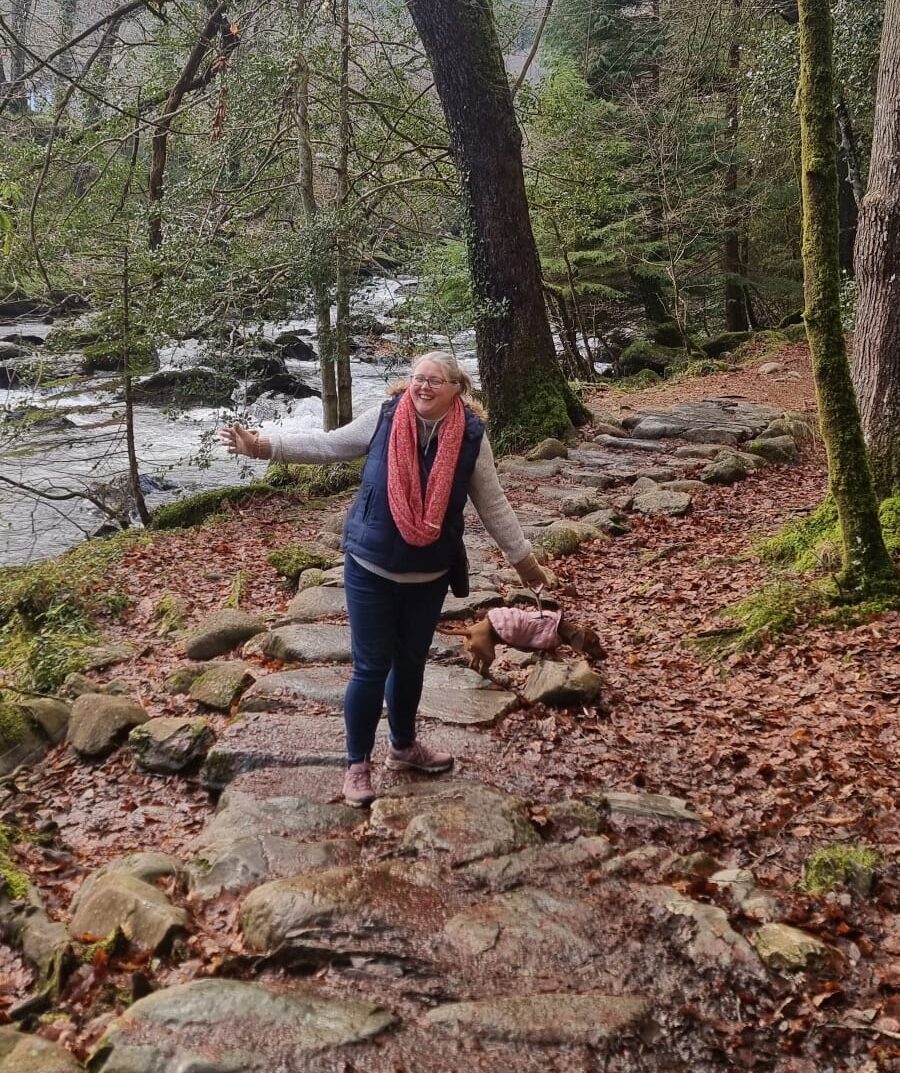
Being outdoors is my ‘heaven’ – It clears my mind
Perhaps, in her mind, that was a compliment but to me it felt like she didn’t want to make the effort. That she didn’t want to build memories. It hurt. I felt like, ‘Why don’t you want to know me now?” The question would appear then disappear but reappear when least expecting it.
A Question That Changed My Thinking
It wasn’t until a counsellor asked me something that I began to look at life differently. Up until that point, I had feelings of “I am not worthy of someone’s love” – I make life harder, I also wondered, I over think and if I drank like other people do would that help me numb this pain/rejection.
There were several times I ended up speaking or blubbering to someone on the end of the phone at Samaritans.
The counsellor asked:
“If seeing them causes trauma, why do you do it?”
That question stayed with me. Why was I allowing myself to become depressed, anxious, upset, and traumatised by something I couldn’t change?
What was this relationship with my birth mum actually bringing into my life?
What did I actually want from life? And perhaps most important…
Who am I when I use my voice and when I stop trying to please everyone else?
I realised I couldn’t make other people behave differently or give me the answers, love, or memories I had been chasing from them.
Finding Where I Belong
The battle will never go away. There are still moments when those old feelings resurface – feeling neglected, unwanted and challenged.
However, I know I am more than the baby at birth.
I know that for years, I searched for where I belonged.
“I have been able to learn strategies to recognise the needs of my own mental health and self-care.”
What I have learnt is belonging starts with recognising analysing your faults and strengths in life so that I could eventually find myself. My life is mine, and no one else’s, so it’s important that I choose to look after myself.
I am 40 now, and although I have had intensive counselling, CBT and EMDR. I won’t lie, there are still days where everything becomes too much – however, I have been able to learn strategies to recognise the needs of my own mental health and self-care. This enables me to counterbalance my mental health needs.
I have amazing parents who have supported me through this difficult journey of finding myself, along with my two amazing boys who are 22 and 17 now, but been my rocks in difficult times.